Intelligence Analysis
Officials Tighten Security as Protests are Likely around US Presidential Inauguration
13 DEC 2024
/
3 min read

At-a-Glance: Key Takeaways
- Officials will almost certainly implement tight security measures in preparation for official transfer of power proceedings in Washington, DC in January.
- Multiple groups are likely to participate in protests, especially during the presidential inauguration in Washington, DC, and in other US cities, while demonstrations are likely to continue nationwide into the early months of Trump’s presidency.
- Tightened security measures include increased law enforcement presence and road closures and checkpoints that will likely cause traffic and business disruption.
Preparation is Already Underway
Officials have been working for months to strengthen security in Washington, DC ahead of the official transfer of power events in January. After the 2021 Capitol riots, Secretary of Homeland Security Alejandro Mayorkas designated the upcoming election certification a National Special Security Event (NSSE), meaning its security will be managed by the Secret Service.
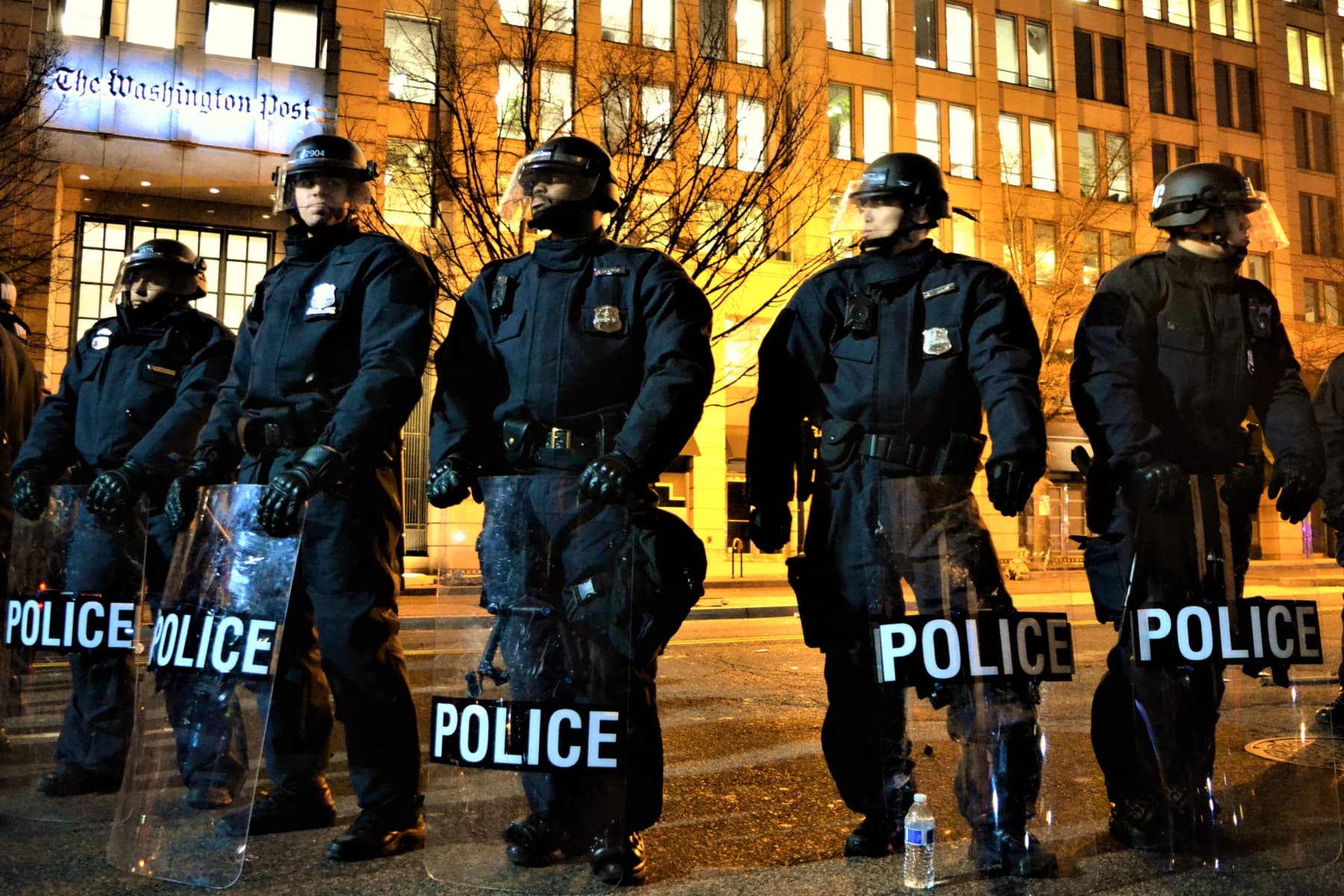
"2017 Inauguration Protests" by Michael Baney, Washington DC
On Inauguration Day, up to 4,000 police officers from other jurisdictions will join the DC Metropolitan Police, Capitol Police, US Park Police, and other federal law-enforcement agencies to assist in providing security. Since 2021, officials have also invested in the Capitol Police, increasing staff, intensifying training, and improving equipment.
To minimize threats, officials will likely enforce road closures and vehicle checkpoints and install fencing around key government buildings. The major throughfares through downtown DC will almost certainly be closed for the inauguration, as well as several bridges to the city, and many of the metro system stations.
Expect Disruption as Groups Plan to Gather in DC and Other Cities
Around a dozen groups have requested permission to organize demonstrations in January in the capital. As the results of the 2024 US election are widely accepted, major riots such as the ones seen in 2021 are unlikely to materialize on January 6. However, groups such as the People’s Forum and the Palestinian Youth Movement have already called for gatherings on January 20 in the District of Columbia and multiple other US cities, including New York City, to oppose incoming administration’s stance on immigration, the Israel-Hamas conflict, environmental concerns, and other issues. The Women’s March will also take place in Washington, DC and other cities on January 18. During Trump’s 2017 inauguration, protests near the White House and outside Trump Tower in New York City resulted in arrests. Such gatherings will likely repeat during his inauguration in 2025.
As Trump promised to advance his agenda significantly within his first 100 days in office, possibly resulting in deportations or changes to environmental policies, anti-government demonstrations will probably continue throughout early 2025. Tight security will likely prompt traffic and business disruptions throughout Washington, DC not only on January 3, 6, and 20, but also on other key dates and weekends due to other official events for the transition of power and the risk of civil unrest.
Ensure your organization is ready to face any challenges that may arise from civil unrest before, during, and after the inauguration in January. Learn how Crisis24 can equip you with the intelligence you need to make informed security and risk management decisions.



Intelligence Analysis
Why Identity-Based Cyber Attacks Are Becoming the Bigger Threat
Attackers increasingly target identities over networks. Learn how credential theft, AI-driven social engineering, and non-human identities create risk.
October 6, 2026

Article
Insider Risk Lessons for Security Leaders Following Flight FZ1073
Crisis24 helps organizations assess insider risk and strengthen preparedness for incidents such as flydubai flight FZ1073.
October 2, 2026

Intelligence Analysis
Bangladesh’s Concurrent Dengue and Measles Outbreaks Strain Healthcare System
Bangladesh is confronting concurrent large-scale outbreaks of dengue and measles, intensifying pressure on an already strained health system, particularly in urban centers and high-burden districts.
September 29, 2026

Case Study
Unauthorized Access to Sensitive Internal Data: A Coordinated Insider Threat Response
See how Crisis24 coordinated forensic, legal, security, and operational expertise to investigate and contain a complex insider threat incident.
September 23, 2026