eBook
2026 North Atlantic Hurricane Season Outlook for Businesses
14 May 2026

Executive Summary
The 2026 Atlantic hurricane season officially runs from June 1 to November 30 and is expected to project below-average activity. However, the risk remains that tropical cyclones and hurricane-related damages could prove costly to companies and businesses in the path of tropical storms.
2026 Atlantic Hurricane Season Outlook
Our 2026 Hurricane Season Outlook draws on previous hurricane season trendlines to provide important context combined with current and forecast atmospheric and oceanic conditions that shape future activity levels. The 2025 season was close to average in terms of overall numbers, with 13 named storms. Of these, five developed into hurricanes, and four of those intensified into major hurricanes at Category 3 or higher. However, only three storms, Barry, Chantal, and Melissa, made landfall, limiting direct impacts.
The North Atlantic Oscillation (NAO) is a key climate pattern that influences hurricane behavior in the Atlantic by helping to control the position of the Bermuda (or Azores) High. This high-pressure system plays a major role in steering storms. When it strengthens and sits further south, storms are more likely to be pushed into the Gulf of Mexico. When it weakens and shifts north, storms tend to track up the North American Atlantic coast or remain out at sea.
In 2025, this pattern helped keep most cyclones in the open ocean, significantly reducing landfalls. Only one tropical storm made landfall in the continental United States, well below the long-term average of about three named storms, including one hurricane, per year. Notably, 2025 was the first season in 10 years without a US hurricane landfall.
Forecast models suggest similar NAO conditions could develop in 2026, which may again steer storms away from the US, particularly in the western Atlantic. However, most of the 2025 activity occurred after September 10, the climatological peak of the season, highlighting how timing and storm tracks can still shift risk even in quieter years.
The Atlantic hurricane season officially runs from June 1 to November 30, although storms can occasionally form outside this period. In a typical year, there are about 14 named storms. Around seven of these develop into hurricanes, and three usually become major hurricanes.
Atlantic storms can affect areas from northwestern South America through Central America, eastern Mexico, the Caribbean, and the southeastern US, extending up the east coast to Canada’s Atlantic Maritimes. Outlying islands such as the Azores may also be affected, though direct landfalls are rare. While storms typically weaken after landfall, coastal areas face the highest risk, and some systems can still move inland and cause significant impacts far from the coast.
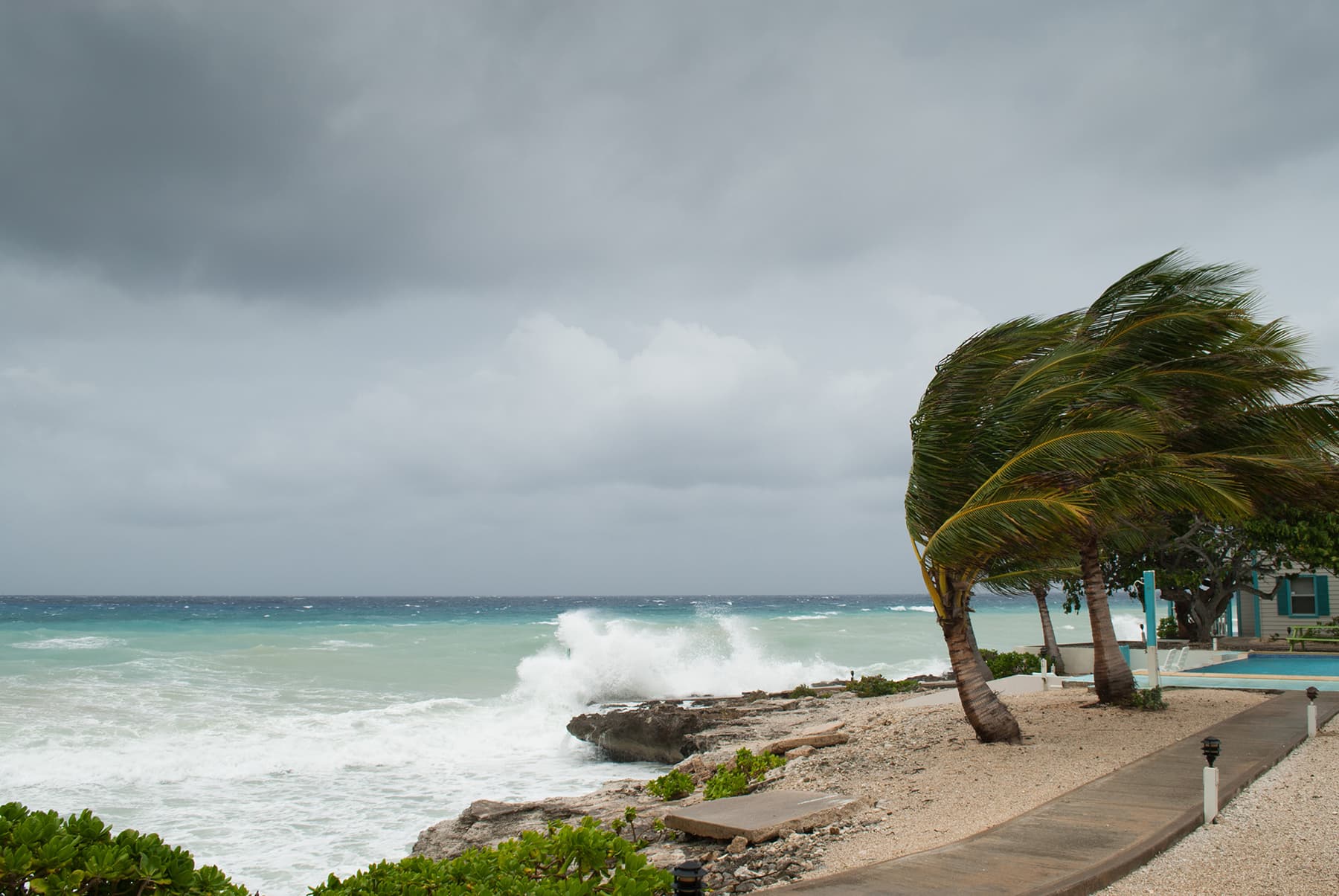
Saffir-Simpson Hurricane Wind Scale
Hurricanes are measured using the Saffir-Simpson Hurricane Wind Scale. However, the scale only measures wind and does not account for other hazards such as storm surge, heavy rainfall, or tornadoes. This means a storm’s category alone does not determine its overall impact. Other factors, such as how fast a storm moves, also matter. For example, a slow moving storm can cause prolonged rainfall and flooding, which may be more damaging than a stronger storm that passes quickly.
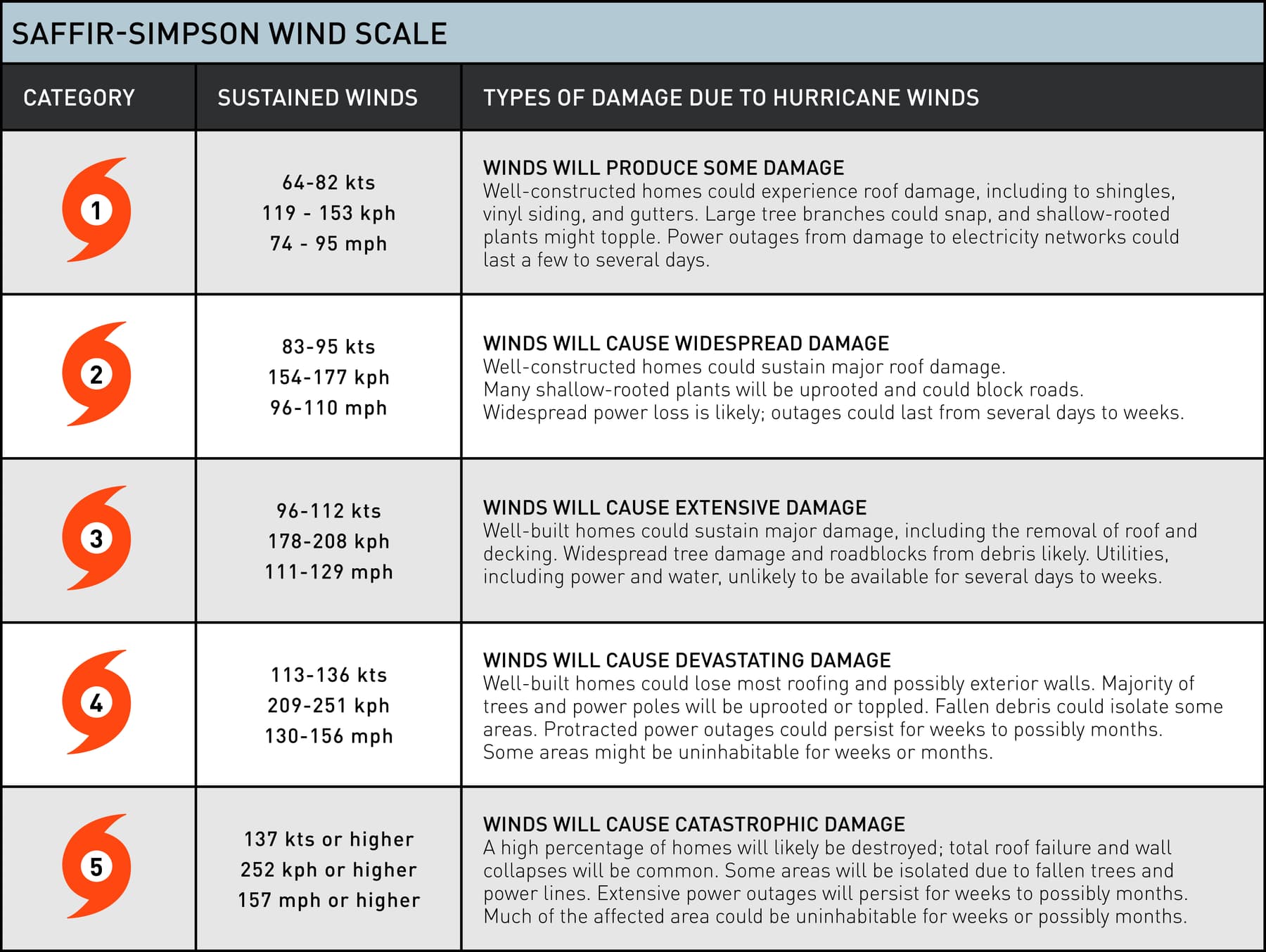
TABLE DESCRIPTION: Saffir-Simpson Hurricane Wind Scale. This scale ranks storms from Category 1 to Category 5 based on their sustained wind speeds and is used to estimate potential damage. Category 3, 4, and 5 storms are considered major hurricanes because they can cause severe damage and loss of life. However, Category 1 and 2 storms are still dangerous and should not be underestimated, as they can also cause significant disruption and require preparation.
Business Preparation Measures
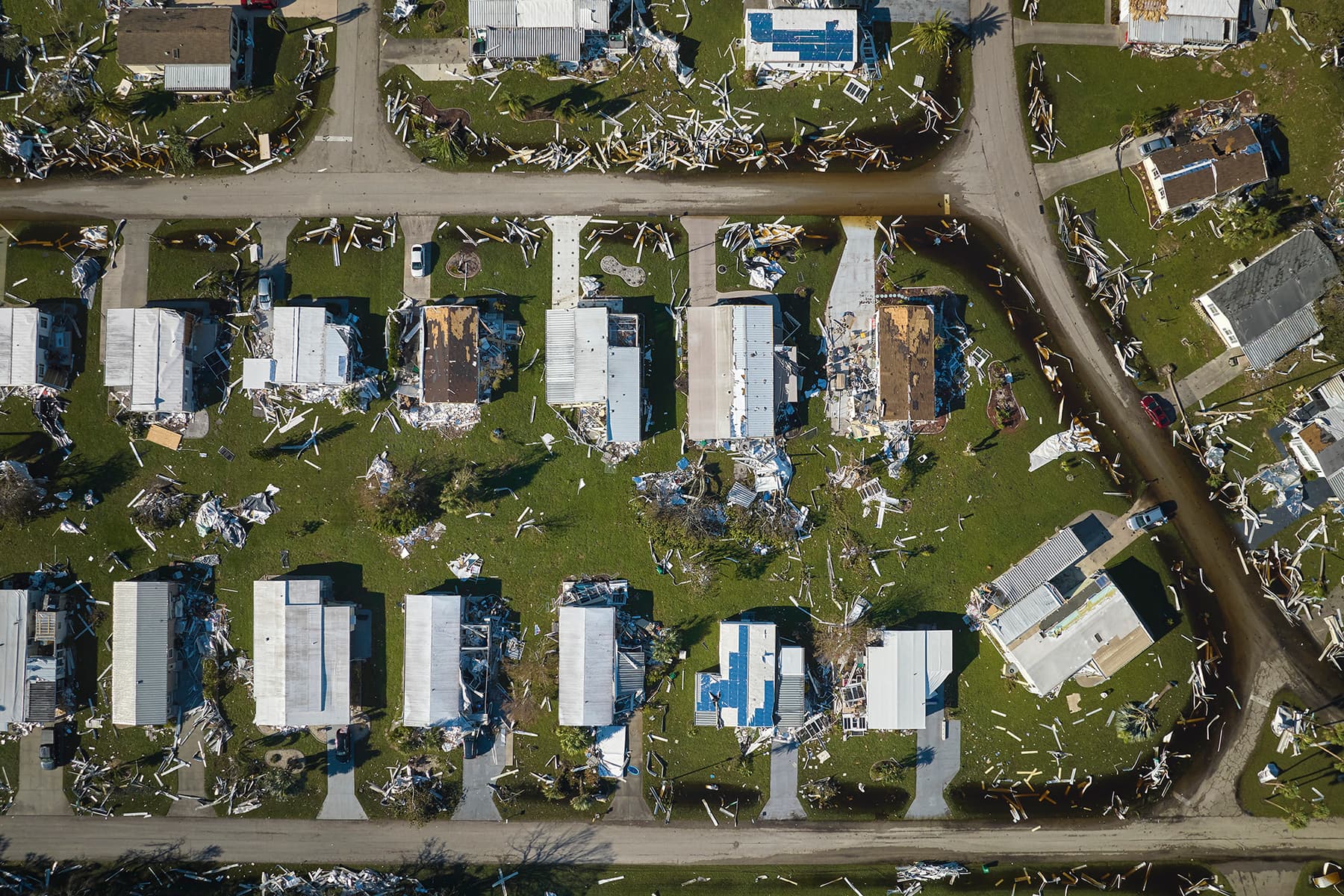
Hurricanes and other tropical systems can have significant impacts on the areas they affect, posing risks to life and causing substantial economic damage each year. The most serious threat typically comes from flooding, driven by storm surge, which is the abnormal rise in coastal or river waters caused by strong winds, as well as prolonged heavy rainfall. Strong winds can also damage buildings, create hazardous flying debris, and generate rough seas that threaten maritime activity and coastal communities. In some cases, storms can also produce tornadoes when they move inland.
Even a single high impact storm can disrupt supply chains and have wider economic consequences. As such, it is important for organizations to take proactive steps to ensure the safety of personnel and maintain operational resilience.
Monitor Storm Systems
Ensure that a dedicated risk manager is always aware of any storm system developments. Information on a storm’s projected path, intensity, and/or landfall is usually freely accessible, and will help risk managers appropriately tailor their responses. Due to the scope and complexity of these systems, local meteorological agencies and specialized weather services (such as the National Hurricane Center) often issue multiple forecast updates throughout a storm’s progression.
Hazard Assessment
Conduct a hazard assessment of all potentially exposed premises and, if possible, make allowances for hazardous events elsewhere that can also impact overall business operations. A good understanding of the characteristics unique to each hazard type is crucial to the success of such an assessment. This includes gathering information on the magnitude, frequency, onset time, spatial dynamics, and duration of a given hazard, as well as any derived (secondary hazard) events. While tropical systems typically impact the same regions on a seasonal basis, the severity and incidence of these storms are variable.
Vulnerability Assessment
Categorize all business assets that could potentially be exposed to storm activity and assess their degree of vulnerability. Note that storm systems may cause direct losses to physical assists and indirect losses to business function, as well as intangible market losses.
Risk Assessment
Develop a comprehensive tropical system risk assessment for your company that speaks to exposed personnel’s vulnerability and outlines what you consider to be tolerable or unacceptable risks. Use this information to perform a cost-benefit analysis to determine what mitigation measures would be best suited for your company and what options are available to ensure business continuity during and after the passage of a storm. Mitigation measures could involve anything from complete risk avoidance, risk reduction, risk retention, or risk-sharing.
Effective Communication Plan
Do not underestimate the importance of an effective communication plan when it comes to Disaster Risk Reduction (DRR). Maintain an accurate contact list for all staff members. This should include personal and work-related numbers, email addresses, and next-of-kin details. Contact lists should also include local emergency services, utility providers, and diplomatic missions.
Establish a redundant employee communication plan to keep employees informed of impending hazards, hurricane status, office operations, and how to seek assistance if needed. This communication plan should facilitate a safety check-in process to validate personnel safety and wellbeing. Your communication strategy should also make allowances for post-disaster correspondence and should include a process for physical wellness checks in the event of disabled or ineffective electronic communications.
Insurance Policy Review
Verify the details of your insurance coverage for natural hazards. While your scheme may cover wind damage sustained during hurricane activity, supplementary protection policies could be required for derived events like flooding, landslides, or storm surges.
Disaster Risk Recovery Plan
A Disaster Risk Recovery (DRR) strategy is critical to the safety of your people, and the protection of your assets. Your business’ risk mitigation initiatives should be formalized, continuously reviewed, easy to understand, and readily accessible to all employees.
- Confirm that all staff members are familiar with your company’s DRR strategy.
- Conduct emergency drills to ensure that all staff members have internalized the disaster preparedness policies specific to your company.
- Establish appropriate protocol and trigger points to address several considerations in the event of a hurricane, including stopping all travel into a hurricane threat zone and relocating nonessential expatriates/personnel to a safe area until the threat has passed. Consider issuing a work-from-home order when possible.
- Coordinate with third-party providers for re-fueling of onsite generators and/or external disaster recovery services for continuity of operations/fallback office space or additional technology and IT support.
Hurricane Preparedness Tips for Travelers
Conduct Pre-Travel Assessment
Research the hazards you may be exposed to in your intended destination before traveling. A good understanding of what to expect, as well as when and where, will help you develop a DRR strategy that is appropriate for your trip. Note that, in addition to varying natural hazard risks, local officials’ emergency response capabilities may also differ across travel locations. This is particularly true of rural versus developed settings.
Subscribe to Intelligence Alerts
Once you have arrived, monitor local media for updates and advisories pertaining to potentially hazardous weather conditions. Consider signing up for a reliable email or SMS-based notification system for the duration of your trip. This would certainly prove useful in situations where you do not speak the local language or have the time to understand technical jargon specific to weather events.
Review Travel Insurance Coverage
Verify the details of your travel insurance coverage for natural hazards. Ensure that you have protection available in the event of severe disruptions due to tropical storm activity. For example, what happens to your flight reservation if strong winds trigger disruptions, delays, or cancellations at your destination airport? What happens if your accommodation booking is canceled due to flooding? Will your insurance cover medical evacuations if you sustain an injury during a hazard event?
Devise a Communication Strategy
Ensure that a third-party (like a family member, colleague, risk manager) is always aware of your travel itinerary and that you have a reliable communication strategy in place in the event of a disaster. Additionally, consider getting a local SIM. This strategy should make allowances for disruptions to local telecommunication networks, as well as power outages, during hazardous weather events.
Familiarize Self with Area
Familiarize yourself with the location of your diplomatic mission, local emergency services (a hospital, fire brigade, police station), as well as any potential evacuation centers upon arrival. Where possible, determine the best route to these facilities and share their locations with a third-party, preferably someone with a vested interest in your safety. If travel to a public shelter is not possible during a hazard event, you may need to stay indoors until the danger has passed. Avoid glass, windows, and any fixtures that could physically harm you if they broke nearby or fell on you.
Individuals exposed to tropical hazards in the US and Caribbean to create or rehearse contingency and evacuation plans. Businesses, homeowners, and travelers should continually monitor the progression of any systems that form over the coming months since storms can rapidly intensify and threaten lives and property.
Have a bag with all these things that is easy to grab (aka grab bag) in case of evacuation:
- Travel documents (passport, visa, ID card, etc.)
- Necessary medications (epi-pen, insulin) and hygiene products.
- Portable charger/batteries
- Flashlight
- First aid kit
- Spare undergarments (socks, underwear, bras, etc.)
- Nonperishable food
- Bottled water
Download the eBook for the full 2026 Atlantic Hurricane Season outlook.

Intelligence Analysis
European Jet Fuel Disruptions Raise Summer Travel Risks
Europe’s jet-fuel market remains tight, raising risks of higher fares, route changes, fuel stops, and localized flight disruptions this summer.
May 14, 2026
Intelligence Analysis
International Response Intensifies After Cruise Ship-Linked Andes Virus Outbreak
Cruise ship-linked Andes hantavirus outbreak prompts multinational response as passengers repatriate under quarantine measures.
May 13, 2026

Intelligence Analysis
Businesses Will Face Heightened Security and Operational Risks at 2026 World Cup Events in Mexico
Authorities in Mexico will tighten security around official FIFA 2026 World Cup venues with large deployments, strict access controls, and enhanced surveillance.
May 11, 2026

Intelligence Analysis
The US–Iran Stalemate and the Rise of a Global Polycrisis
The US-Israel-Iran crisis is reshaping the global operating environment, forcing corporations and governments to confront the emergency.
May 7, 2026