Intelligence Analysis
Civil Unrest in Mozambique Compromises Mining Operations in Northern Regions
23 JAN 2025
/
3 min read
Motivations for the Attacks Likely Extend Beyond Political Partisanship
These attacks could be motivated by political grievances since it coincides with Mozambique’s most severe political crisis since independence. Since late October, Maputo and other large urban areas have experienced near-continuous unrest instigated by the charismatic new opposition leader, Venancio Mondlane. Mondlane still rejects the now constitutionally approved results of the Oct. 9 elections and has incited nationwide strikes and protests on an almost weekly basis. Mondlane, who campaigned on a platform to legalize artisanal mining, has also called for the disruption of economically sensitive infrastructure; some of his supporters could feasibly be involved in the attacks targeting mining concerns.
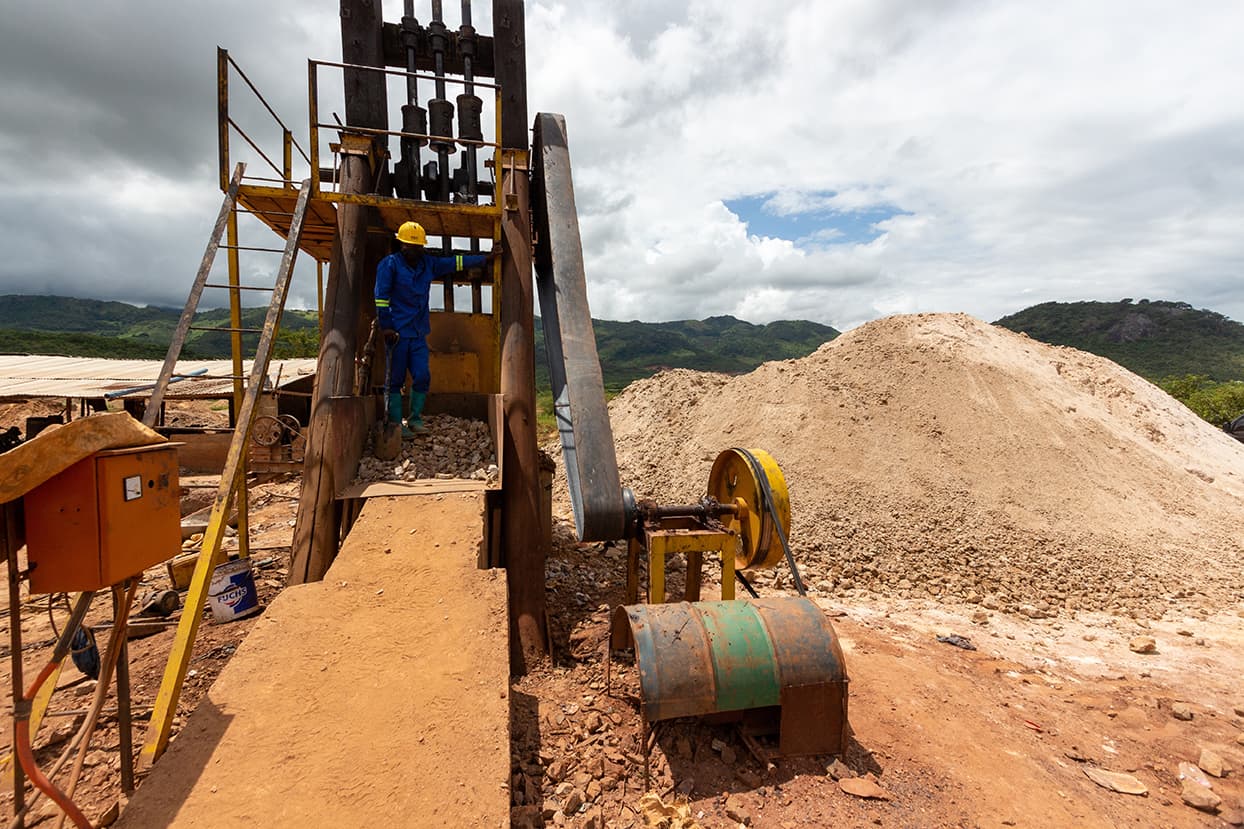
However, the motives are likely much more complex than simple political partisanship: they far pre-date the 2024 election and appear to be symptoms of a persistent social and economic malaise afflicting the northern provinces. The extractive industry, largely located in the northern half of the country, represented 42.7 percent of Mozambique’s GDP in the second quarter of 2023. It brought in over USD 12 billion between 2020 and 2024 and was expected to grow by 18.6 percent in 2024. At the same time, mostly rural northern populations have the highest poverty and inequality levels, along with the lowest school enrollment, electricity coverage, and access to water, among other problems. Disadvantaged local residents are likely capitalizing on the nationwide political unrest in an effort to better their lots by looting nearby mining facilities.
Future Political and Socioeconomic Triggers Are Likely to Lead to Additional Disruptions
While nationwide civil unrest will probably follow political developments in Maputo, socioeconomic tensions will likely continue to disrupt mining operations in northern Mozambique for the foreseeable future. Foreign businesses in the country, especially those involved in the extractive industry, can only mitigate the long-term risk. Potentially violent civil unrest, travel disruptions, incursions at mining compounds, and even armed attacks could occur with little to no warning. Possible triggers may include significant political events, misinformation campaigns on social media, and alleged human rights scandals involving other foreign businesses in the region.
Learn more about leveraging our industry-leading regional and subject matter experts for intelligence that helps your organization stay ahead of risks to your people and operations.



Intelligence Analysis
Critical PHP Vulnerabilities Threaten Business Operations and Data Security
Critical PHP vulnerabilities could allow attackers to gain control of servers, with disruption risks extending to third-party suppliers and business operations.
October 27, 2026

Intelligence Analysis
The Post-Quantum Cryptography Migration Is Already Underway—Here's What Businesses Need to Know
Post-quantum cryptography migration is reshaping global security infrastructure. Understand the compliance risks, interoperability challenges, and supply chain exposure your organization faces during this transition.
October 23, 2026

Intelligence Analysis
Southeast Asia Haze: A Snapshot of a Region Under Smoke
Southeast Asia's persistent haze threatens workforce health, aviation, and business continuity, with ongoing risks to transportation and regional operations.
October 22, 2026

Case Study
Global Manufacturer Renews Crisis24 Program as Its Footprint Expands in Asia
A global manufacturer renews its Crisis24 travel risk management program to strengthen communications, continuity, and employee support worldwide.
October 20, 2026