Explore Elite Risk Management Services

Private Strategic Group

Search

Intelligence Analysis

Houthi Threats in the Red Sea: Implications for Maritime Operators

16 OCT 2026

/

2 min read
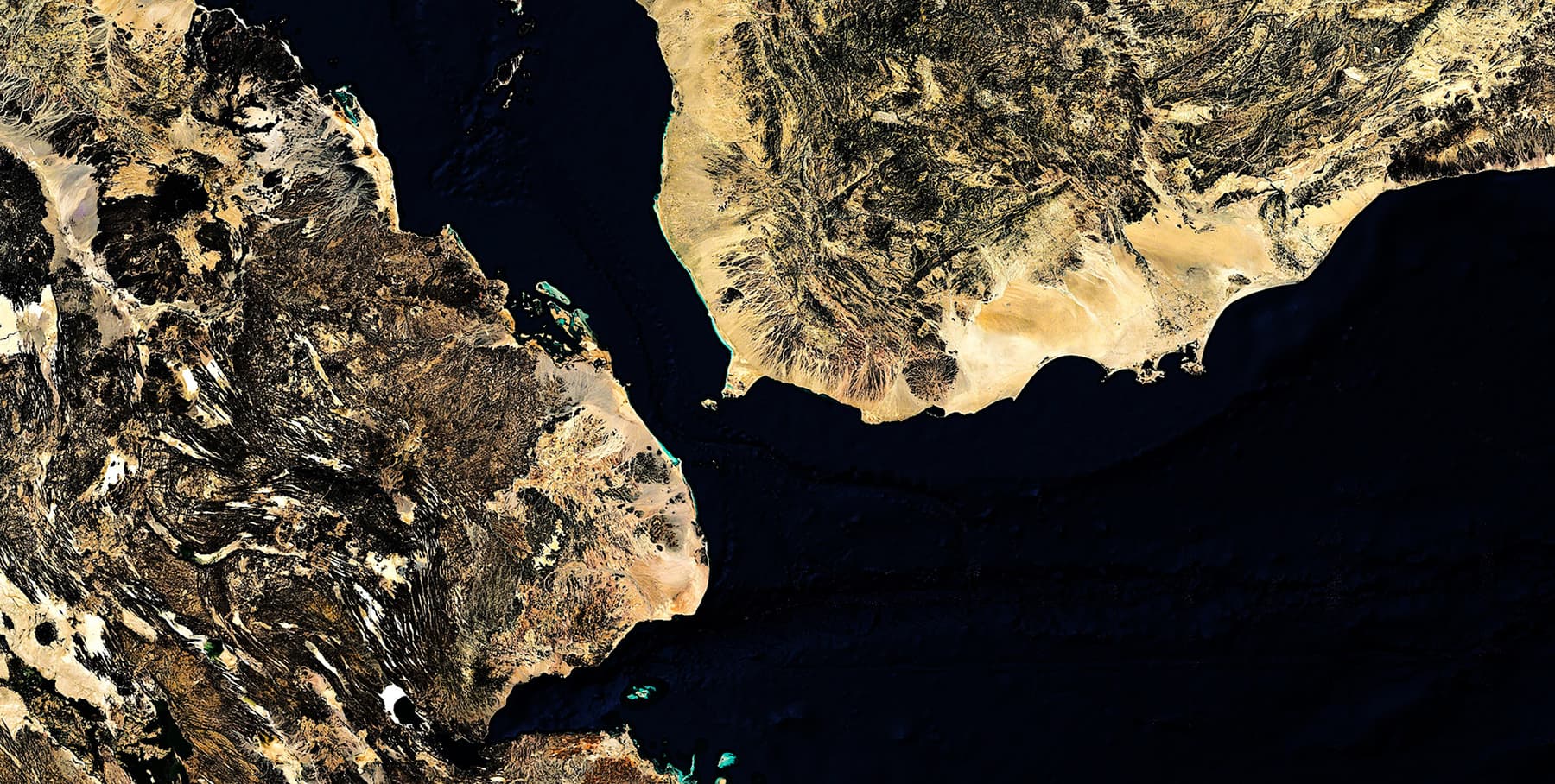

Satellite photograph of the red sea

Pressure on the Red Sea and the Strait of Hormuz is creating a connected maritime risk environment. Disruption at one chokepoint can increase dependence on routes exposed to threats at the other, reducing flexibility and raising costs for shipping operators and the businesses that rely on them.

The Houthis' evolving capabilities, targeting priorities, and territorial position are central to this challenge. For maritime operators, implications extend beyond the risk of a deliberate attack. Vessel affiliations, crew safety, port access, insurance conditions, and contingency arrangements all require reassessment as conditions change. 

A Capable and Adaptive Maritime Threat Actor

The Houthi movement has evolved from a locally focused insurgency into a force capable of combining unmanned aerial vehicles (UAVs), ballistic and cruise missiles, uncrewed surface vessels (USVs), and open-source vessel information. Its strategic advantage lies in using comparatively low-cost systems to threaten high-value commercial vessels and strategically important infrastructure.

Iranian weapons, technology, and political support have contributed to Houthi capabilities, but alignment does not mean Tehran controls operational decisions. Instead, the movement increasingly demonstrates independent agency in selecting campaign timing and focus according to Houthi-defined Yemeni and regional interests. 

From Gaza Focus to Saudi Coercion

The present campaign differs materially from the 2023–2025 Red Sea campaign. Earlier operations were framed around the Gaza conflict and targeted vessels allegedly associated with Israel, the US, and the UK. The current campaign is more explicitly focused on coercing Saudi Arabia. The group’s current strategy combines threats against Saudi-linked shipping with cross-border attacks, pressure on energy infrastructure, and territorial offensives along Yemen's Red Sea coast.

Developments over the past week show a sharp escalation. The Houthis claimed attacks on Saudi airports and other sites; strikes on Riyadh’s King Khalid International Airport caused civilian casualties, disrupted operations and were followed by further attacks. These actions followed a Saudi-led offensive to regain territory around Bab El-Mandab. 

The Bab El-Mandab and the Double-Chokepoint Crisis

Hormuz carries approximately one-fifth of global petroleum and refined products. The Bab el-Mandeb handles roughly twelve percent of global trade, connecting the Indian Ocean to the Red Sea and Suez Canal. Historically, Hormuz disruptions increased dependence on Red Sea routing; Saudi Arabia's Red Sea export infrastructure provided a critical alternative when Hormuz conditions deteriorated. Renewed Houthi pressure now threatens that alternative, increasing exposure across both routes simultaneously.

Neither waterway needs physical closure for commercial disruption to materialize. Credible threats or a small number of attacks can alter insurer appetite, naval deployments, and company risk thresholds, prompting rerouting while passages technically remain open. Longer voyages increase fuel consumption and, freight costs, add to crew welfare concerns, and extend create supply chain effects delays—including for businesses whose cargo is not directly targeted.

Sustained maritime pressure in the Red Sea may persist regardless of developments elsewhere in the region. A change in targeting statements or a pause in attacks should prompt reassessment rather than a return to previous operating assumptions. 

How Crisis24 Supports Maritime Operators

For maritime operators, these overlapping pressures create a complex environment for protecting people, assets, and operations.

Crisis24’s 24/7 Maritime Operations Center continuously monitors regional developments, vessel movements, and emerging incidents, helping operators reassess exposure as conditions change. Crisis and Security Consulting translates that intelligence into vessel-specific exposure assessments, route and port advice, contingency planning, and crisis-management support.

Crisis24's full strategic outlook includes a more in-depth assessment of Houthi threats in the Red Sea and the implications for maritime operators.

Sharpen your 
view of risk

Subscribe to our newsletter to receive our analysts’ latest insights in your inbox every week.