Article
Beyond Grievance: Spotting Insider Risk before It Escalates
1 JUL 2026
/
4 min read

Grievance as an Indicator, Not a Prerequisite
As a recognized contributor to insider risk, grievance can add valuable context when assessing the overall risk exposure of an entity — whether an employee, contractor, vendor, or other third party. However, grievance is only one part of a much broader enterprise risk landscape. This raises an important question: have organizations become too reliant on grievance as the primary way of thinking about insider threat?
Many factors can influence insider risk exposure without any sign of dissatisfaction or malicious intent: an undisclosed conflict of interest, a significant change in access rights, an evolving external business relationship, or a governance weakness affecting multiple entities. By focusing only on grievance, organizations risk overlooking the wider conditions through which insider threats can emerge.
These conditions often sit across different parts of the business, which makes them harder to see in isolation. Rather than starting with suspicion, an effective and proactive ITMP seeks to understand changing risk exposure across multiple risk points, whether or not grievance is present.
Understanding Risk before Harm Occurs
One common misconception about proactive insider threat management is that it means watching entities more closely. In reality, the most effective programs do not focus efforts on monitoring. Instead, they start by understanding risk and then continuously evaluating changes in those risks.
Enterprise risk is understood through the lens of objective indicators that can be applied equally to every entity working within, or with, the organization. Every entity is assessed using the same framework, ensuring the program remains consistent, risk-based, and fair.
This framework is important because it addresses a common challenge within insider threat management: maintaining trust across the workforce. By focusing on objective risk exposure rather than monitoring entities, the program avoids the perception of targeted scrutiny.
The program seeks to understand this exposure only when the combined risk indicators result in a meaningful shift away from the enterprise baseline (see figure 1 below). It is this combination of indicators, not any single signal, which gives a proactive ITMP a degree of predictability.
That predictability is modest: patterns forming across the indicators can flag a higher likelihood of future harm, which is a cue to look into the context rather than jump to conclusions. The real challenge is not whether these signals exist, but whether an organization can identify, interpret and contextualize them before they develop into material risk.
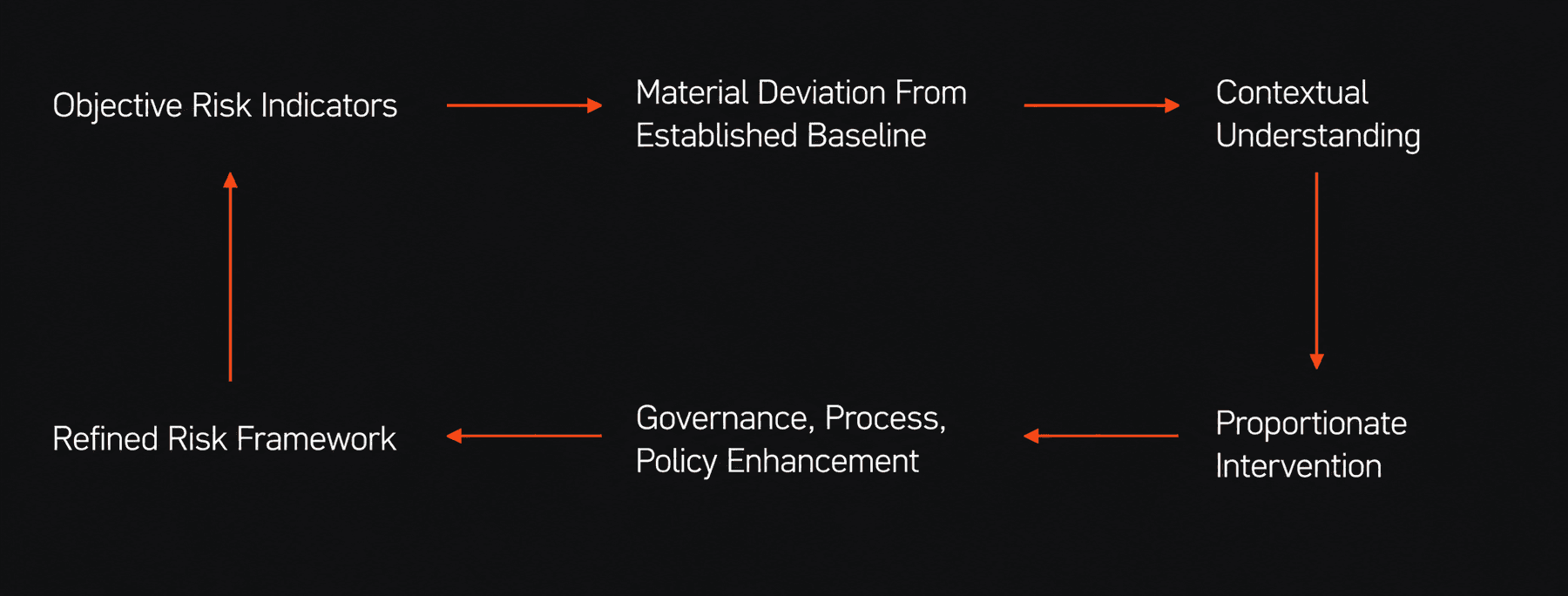
Figure 1: Insider Risk Identification Framework
In the above figure, notice that the framework does not depend on grievance to be present. The program works by continuously learning from changes in enterprise risk. As the framework is refined, those insights feed back into the Objective Risk Indicators, helping the organization intervene earlier and more effectively.
This framework has several advantages:
- Risk exposure-centric, not monitoring-centric.
- Risk-informed, not suspicion-driven.
- Objective, in that it relies on aggregated risk indicators, not subjective judgment.
- Preventative, as contextual assessment takes place before material loss.
- Governance-oriented, as every assessment provides an opportunity to strengthen enterprise controls.
- Cyclical, as the “end” of the process (Refined Risk Framework) feeds back into the start (Objective Risk Indicators).
The distinction is subtle, yet important. The program is not asking: “What is John doing?” It is asking: “Has the organization identified an objective change in risk exposure that requires greater understanding?” The focus shifts from monitoring to understanding.
Context Makes Proactive Possible
An entity showing elevated risk exposure should not automatically be treated as an insider threat. It is simply an entity whose risk indicators require context. The aim is not to confirm wrongdoing, but to understand whether the indicators accurately reflect increased exposure or whether there is a legitimate explanation.
The outcome may be reassuring: the indicators may prove innocent, or the business context may explain the change completely. This is not a failed assessment, but evidence that the organization sought understanding before material risk could develop, rather than an explanation after the loss. In this sense, contextual assessment is not reactive. It is one of the most proactive capabilities within a mature ITMP.
From Contextual Assessment To Organizational Insight
Each contextual assessment is also an opportunity to better understand the organization itself and adapt controls, policies, and procedures to reduce similar risks in future:
- Why did the elevated risk exposure emerge?
- Did governance mechanisms adequately address the changing circumstances?
- Were conflicts appropriately disclosed?
- Did organizational processes create unnecessary opportunity?
- Could similar conditions exist elsewhere within the enterprise?
These questions turn individual assessments into organizational insight. Rather than simply resolving a single case, the program strengthens governance, improves processes, and enhances enterprise resilience. The objective is not only to understand one entity, but also to reduce future organizational exposure.
Rethinking Proactive ITM
The title of this article may suggest a simple progression from grievance to action. In reality, the path is rarely so straightforward. Grievance may increase insider risk exposure, but so too may undisclosed external interests, evolving business relationships, changing organizational responsibilities, or governance weaknesses that have nothing to do with dissatisfaction.
The greatest opportunity for insider threat management is not becoming better at responding to incidents, nor should it be measured by the number of entities monitored, how quickly investigations begin after an incident, or whether grievance is present. The greatest opportunity lies in adopting a broader, insight-driven view of insider risk. A mature ITMP is built on a continuous understanding of enterprise risk through objective risk indicators. In practical terms, this means identifying meaningful changes in risk exposure and using those insights to evolve the program capability and strengthen organizational resilience.
Learn more about protecting people, assets, and operations from the inside with Crisis24's Insider Threat Management.




Case Study
Unauthorized Access to Sensitive Internal Data: A Coordinated Insider Threat Response
See how Crisis24 coordinated forensic, legal, security, and operational expertise to investigate and contain a complex insider threat incident.
September 23, 2026

Intelligence Analysis
Europe’s Extreme Heat and Wildfires Likely to Drive Recurring Seasonal Disruptions
Extreme heat and wildfires are becoming predictable features of Europe’s summer risk environment, increasing the likelihood of recurring operational disruption.
September 10, 2026

eBook
Insider Threat Management Playbook
A practical guide to identifying, investigating, and mitigating insider risk through a connected, cross-functional approach.
September 8, 2026

Intelligence Analysis
Asia-Pacific Food Security Risks Rise Amid Middle East Conflict
Explore how Middle East conflict, rising fuel and fertilizer costs, and El Niño could threaten APAC food security and regional stability through 2027.
September 4, 2026