Explore Elite Risk Management Services

Private Strategic Group

Intelligence Analysis

Russia’s Expanding Internet Restrictions Likely to Disrupt Business Operations and Deepen Public Distrust

2 JUN 2026

/

6 min read


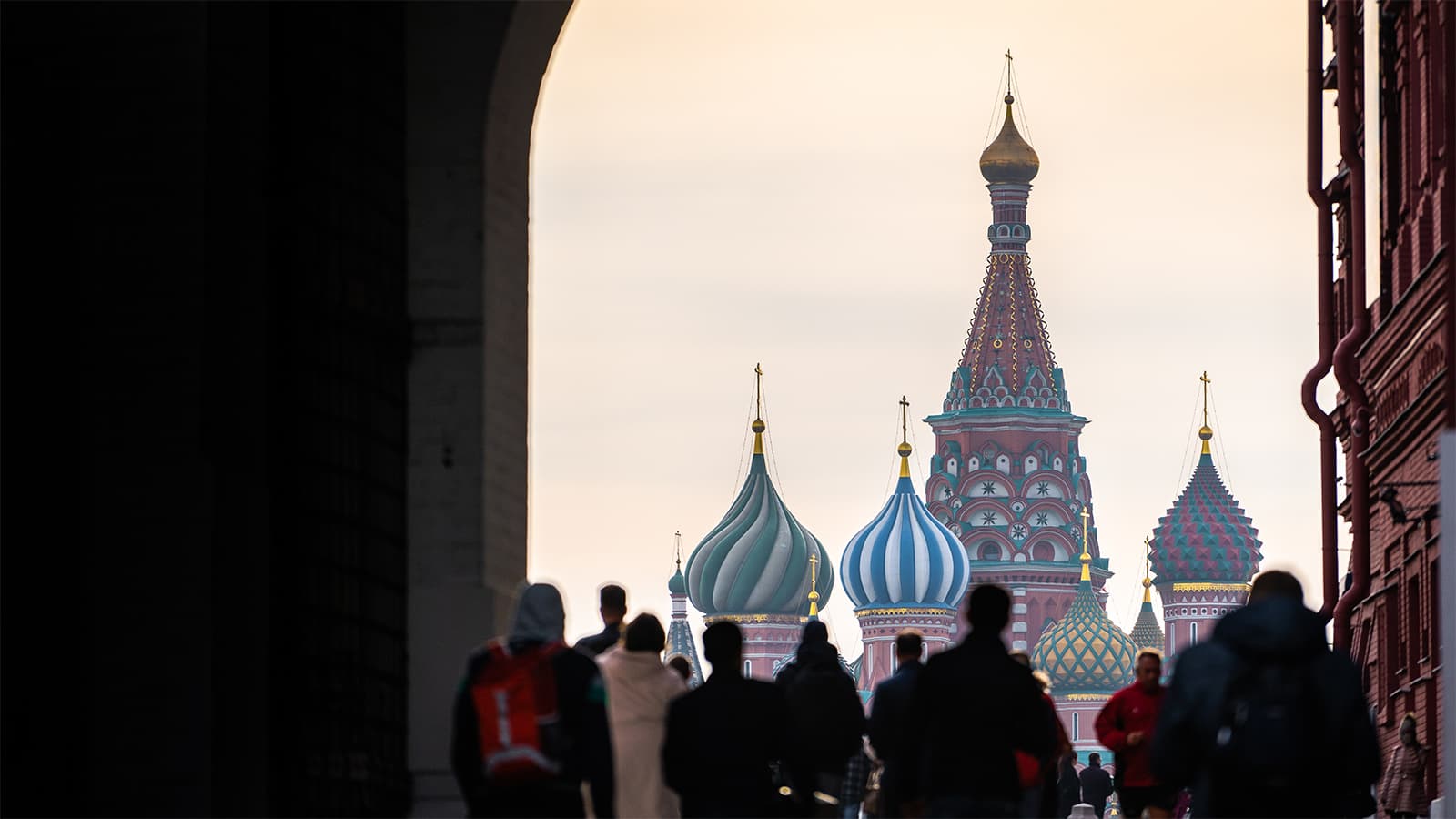
Moscow skyline at dusk

Russia’s expanding use of internet restrictions reflects a broader effort to consolidate state control over the digital environment amid wartime pressures and heightened concern over domestic dissent. The increasingly severe mobile internet disruptions are being amplified by Moscow’s parallel campaign to block access to independent websites and foreign-owned social media and messaging platforms in a move almost certainly designed to blunt domestic criticism of the Kremlin. While the security concerns are likely legitimate, digital shutdowns are also reliable tools for Russian censorship and control of internal dissent, particularly as parliamentary elections are planned to occur this September.

Key Takeaways:

  • Russia’s expanding internet restrictions reflect a broader effort to consolidate state control over the digital environment.

  • These digital restrictions are likely to continue for websites, platforms, and services with servers or operational dependencies located partly or fully outside Russia.

  • Moscow is likely to expand its “whitelist” of approved websites and domains, particularly for domestic commercial services considered operationally or politically important.

  • Foreign investment and multinational business activity in Russia are likely to decline if communications with overseas teams remain disrupted and access to foreign software continues to narrow.

  • Public frustration will likely increase if virtual private network (VPN) use is prohibited, blackouts continue, and sustained internet disruptions interfere with competitive regional elections in September. 

Assessment

Russia’s expanding internet restrictions likely reflect a broader effort to tighten state oversight of the digital environment alongside wartime security measures. Russian authorities have already taken steps to limit access to foreign platforms, promote domestic alternatives, and expand technical controls over internet infrastructure since the start of the war in Ukraine. Though wartime measures are the public justification, the restrictions are almost certainly rooted in efforts to dampen dissent.

The continued popularity of opposition Telegram channels and independent news platforms suggests that many users remain willing to circumvent government restrictions, likely using virtual private networks (VPNs). VPN access will likely face additional restrictions if Russia’s digital environment becomes more isolated.

Russia’s promotion of state-approved digital services suggests a shift toward a more controlled online ecosystem. As of May 2026, Moscow has taken steps to create a whitelist of approved websites and direct users to the state-backed messaging app MAX in a move likely designed to create a closed, easily controllable, and highly monitored environment. Opposition activists allege that the MAX messenger is monitored by the Federal Security Service (FSB). Moscow is likely seeking to restrict information and communication that are outside its control, including platforms like WhatsApp, YouTube, and Facebook. 

Economic Impact of Digital Disruptions

Reduced internet functionality and disrupted communications will almost certainly cause immediate economic costs for businesses. In Moscow, businesses lost approximately USD 63 million during five days of mobile shutdowns, impacting courier services, taxi operators, car-sharing platforms, and retail businesses the hardest. Outages over the past year have reportedly caused estimated losses of USD 11.9 billion. As restrictions in Russia persist, consumer behavior will likely adapt to inconsistent connectivity and reduced confidence in private digital communications. Demand may shift from mobile services toward fixed-line broadband connections.

Demand may also increase for devices or tools that offer communication functions outside conventional video-calling and messaging platforms. For example, sales of pagers and walkie-talkers have increased significantly, and online games and household appliances, many of which offer messaging services in their software, serve as unmonitored methods of communication.

There are no clear indications that businesses are withdrawing from Russia solely because of internet-related concerns, but the impact will likely emerge over the medium to long term if multinational companies cannot operate reliably across Russian and foreign digital systems.    

Digital Restrictions Likely to Deepen Public Distrust, Intensify Repression

Expanding internet restrictions and perceptions of growing state surveillance are likely to contribute more directly to public dissatisfaction with the Russian government, particularly during politically sensitive periods. While war fatigue is a latent strain on Putin’s authority, strengthening perceptions of an invasion of private life has contributed more directly to public dissatisfaction with Putin’s administration.

Regional elections where candidates aligned with President Putin face backlash from a disgruntled public, locations in Russia that experience notable Ukrainian military strikes, or oblasts where Putin-aligned candidates underperform are the most likely sites for government-engineered, multi-day internet blackouts. The multi-day blackouts in Moscow during Victory Day in May indicate that further blackouts are likely during sensitive political periods and holidays. Outages will almost certainly escalate as Russia’s State Duma elections approach in September 2026.

As restrictions tighten, public opposition still may manifest in protests, pickets, online dissent, or attempted ballot disruption, all of which are considered threats to the Kremlin. In Russia, a state where repression typically masks signs of discontent, there are several indicators that suggest public dissatisfaction in the Russian government may be on the rise: Moscow has denied activists’ requests for demonstration permits; state-sanctioned political figures have openly criticized internet restrictions; and, Putin’s approval rating fell below 70 percent for the first time since February 2022, per an April 2026 poll. 

Implications

Russia’s tightening control over internet access and digital communications is likely to create a more restrictive and less predictable operating environment over the medium term.  While the Kremlin will likely seek to limit severe economic disruption through selective exemptions and approved-access systems, recurring outages, platform restrictions, and heightened digital surveillance will continue to complicate business operations, weaken confidence in communications, and contribute to broader public dissatisfaction.

Complete isolation of Russia’s internet remains unlikely, but outages, throttling, and platform restrictions are likely to expand in the short to medium term. Future disruptions are likely to coincide with periods of political sensitivity, public unrest, conflict escalation, or institutional transition.

Reduced reliability of internet access and secure, encrypted communications is likely to weaken perceptions of Russia’s operational stability among consumers, investors, and multinational companies, contributing, over time, to higher operating costs and reduced international business activity.

Learn more about leveraging intelligence to stay ahead of risks to your people and operations.  

Sharpen your 
view of risk

Subscribe to our newsletter to receive our analysts’ latest insights in your inbox every week.