Cuba In the Midst of a Fuel Supply Shock
The United States has maintained an oil blockade on sanctioned Venezuelan oil since mid-December and has effectively exercised complete control over Venezuelan oil exports since the Jan. 3 raid in Caracas. Additionally, it has pressured Mexico to pause oil shipments, which, along with the end of Venezuelan deliveries, has contributed to an estimated 90 percent reduction in Cuba's fuel imports. Cuba likely requires approximately 100,000 barrels of oil a day to maintain basic services. As a result of US actions and sustained pressure over the past three months, fuel shortages have reached crisis levels.
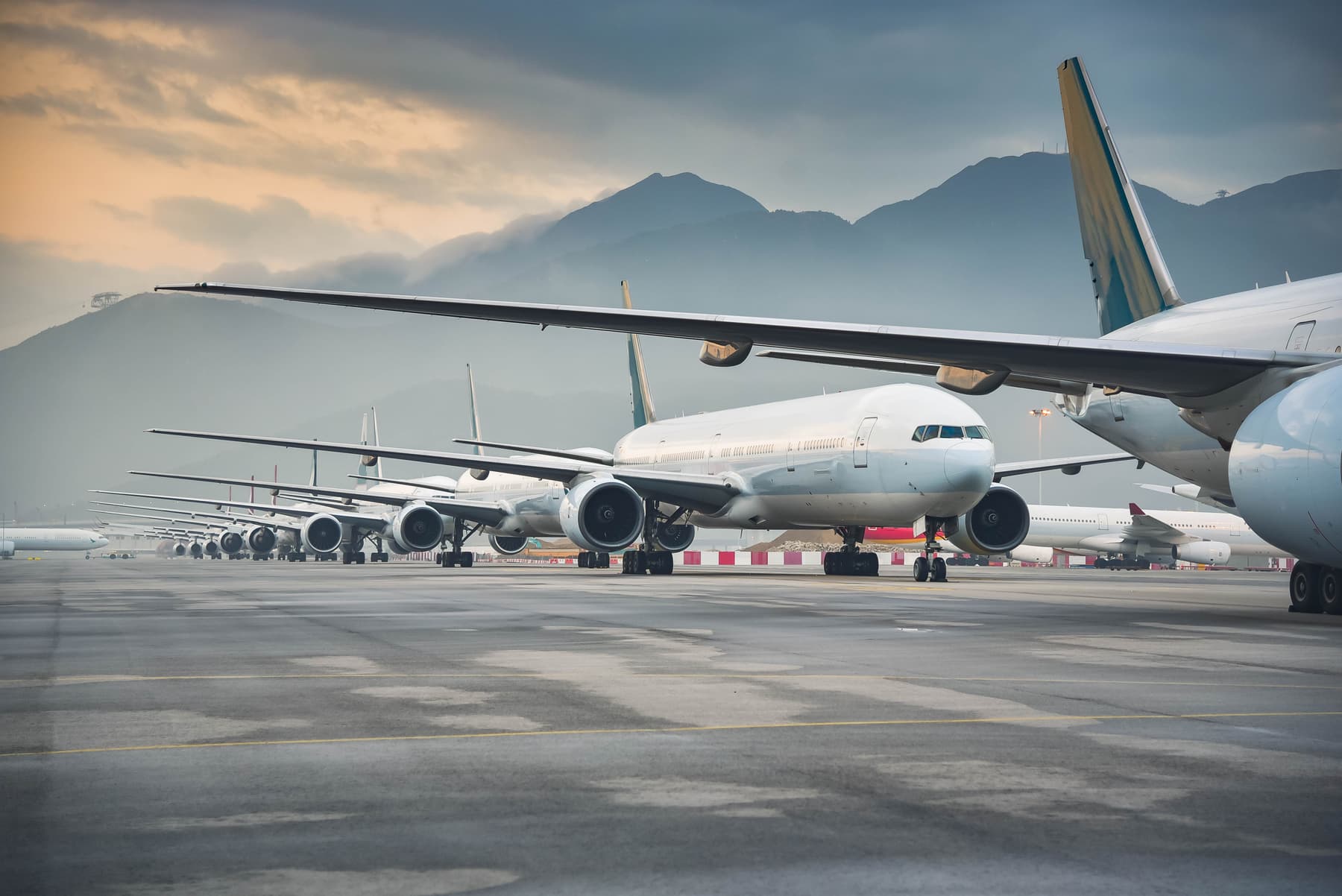
As of mid-February, the Cuban government has implemented a host of rationing and oil control policies to save as much fuel for critical sectors as possible in response to US pressure. Cuban authorities have announced that A1 jet fuel will no longer be available on the island. Additionally, officials have restricted gasoline purchases, shuttered tourism properties to reduce energy demand, and are preparing for the possibility of total blackout conditions as soon as late February.
Even before this latest crisis, blackouts in 2025 lasting up to 12 hours in Havana and up to 20 hours in much of the rest of the island were commonplace, leading to a steady degradation of essential services.
Cuba's Likely Future: Accelerated Deterioration
Without significant oil imports or a relenting of US pressure, Cuba’s economy is unlikely to recover, and the degradation of conditions is likely to accelerate.
Russia is the only oil exporter with the production volumes, shipping capacity, and limited exposure to US tariffs that could reasonably fill the void. However, Cuba is short on hard currency. Historically, it paid Mexico and Venezuela for their oil shipments through a barter system, exchanging doctors' services for discounted oil shipments. Russia, by contrast, needs hard currency to fuel its war economy.
Additionally, the United States has demonstrated over recent months a continued willingness to intercept sanctioned oil vessels. Many of Russia’s oil tankers are either sanctioned or at risk due to their participation in the global shadow fleet. Consequently, Russia is likely to judge that increasing oil shipments to Cuba is simply not worth the risk.
The US and Cuba are unlikely to come to a negotiated settlement to resolve the current crisis over the coming weeks or months. Washington has made clear that, at least for now, its desired goal is regime change in Havana, though what constitutes an otherwise acceptable outcome remains unclear.
Havana, for its part, appears eager to participate in negotiations but insists they occur without preconditions and with respect for Cuba’s sovereignty. So long as the US continues to insist on regime change and the Cuban authorities reject discussion of political transition, meaningful progress remains unlikely.
Low-Probability, High-Impact Scenarios:
While the most likely trajectory remains continued economic deterioration under sustained US pressure, certain lower-probability scenarios warrant consideration given their potential impact.
US Military Campaign: The Trump administration could determine that the ongoing economic pressure campaign is insufficient and pivot to a more overt military campaign. However, domestic political constraints make this outcome highly unlikely.
Mass Protests in Cuba: There has been speculation that sufficiently worsening conditions could motivate a critical mass of Cubans to protest. However, the Cuban government maintains an extensive surveillance apparatus and has a well-known reputation for jailing dissidents. Even if protests were to occur, elite cohesion would likely remain intact, and Cuban authorities would almost certainly use force to swiftly suppress unrest.