Case Study
Medical Evacuation for a Digital Nomad in Bali
1 Jul 2024

Crisis24 in Action
The patient experienced fractured ribs and a fractured pelvis as a result of the accident and required immediate medical attention, including blood transfusions.
Managing Medical Resource Challenges
Crisis24's medical team, working with the treating doctor, established that the patient was stabilized but could not receive the treatment he required in the facility due to the shortage of O-negative blood in Bali. This posed a significant challenge, given the patient’s complex injuries. The Crisis24 medical team recommended to immediately evacuate the patient to a medical center of excellence with sufficient blood supplies in order for him to continue his treatment. While preparing for evacuation, arrangements were made to source blood from regional sources. In tandem, Crisis24’s medical team maintained a constant flow of information to the patient’s insurer so that they were aware of the progress of the case.
Evacuation to a Center of Medical Excellence
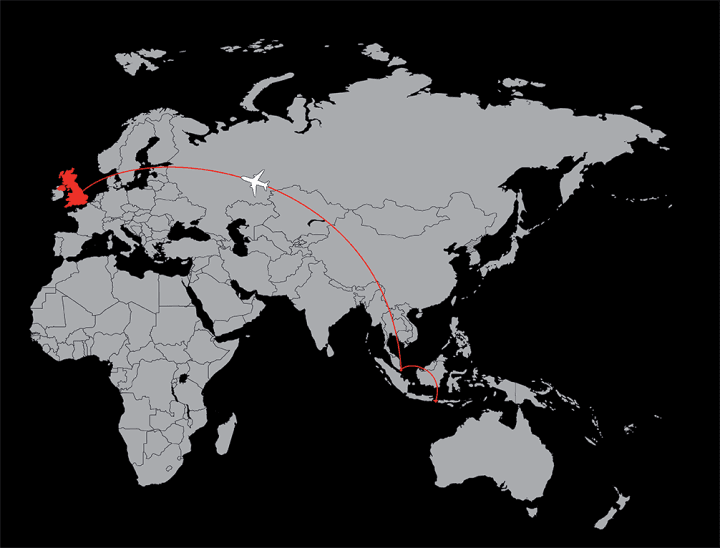
Crisis24 liaised with its local network of air ambulance providers and arranged for an evacuation via air ambulance to Singapore, which was monitored closely by a doctor and nurse. In Singapore, the patient was admitted to a specialized hospital and received diagnostics, blood transfusions, and a treatment plan with physical therapy and pain management. Upon recovery, the patient was repatriated to the UK with a doctor escort providing continuous medical support.
Results
Working with the patient’s insurer, Crisis24’s expertise ensured continuity of care across borders which was crucial for recovery, highlighting the importance of medical assistance support from emergency to repatriation. Quick coordination with local hospitals as well as aircraft availability with appropriate medical equipment on the flight and Crisis24’s partnerships with local hospitals and emergency services were essential to a successful outcome for the patient.



Article
Public Health Risks Associated with Vaccine-Preventable Diseases While Traveling
When it comes to public health, one of the easiest ways to avoid illness is by being vaccinated against preventable diseases.
November 12, 2026

Article
Cyber Risk Is a Food Safety Risk: Lessons from the Refrigeration Attacks
Effectively managing risk takes two kinds of expertise: an understanding of what a breach could mean for food safety, and the cybersecurity knowledge to identify vulnerable paths into networked systems.
November 10, 2026

Intelligence Analysis
US-China Competition for AI Compute Is Reshaping Global Supply Chain and Compliance Risk
US-China competition for advanced AI compute will intensify through 2027, shifting enforcement from chip sales to compute access and creating significant supply chain and compliance risks for global businesses. Learn what's changing and why it matters.
October 30, 2026

Intelligence Analysis
Critical PHP Vulnerabilities Threaten Business Operations and Data Security
Critical PHP vulnerabilities could allow attackers to gain control of servers, with disruption risks extending to third-party suppliers and business operations.
October 27, 2026